
No AI, No Problem: Why Human Truth Is Becoming the New Premium Brand Asset
Brands are starting to do something fascinating: they’re using “human-crafted content” as a selling point. On the surface, it feels like a creative statement. But beneath it is something much deeper — a signal about where culture is heading.
Because consumers aren’t just reacting to AI. They’re reacting to trust fatigue.
For years now, audiences have been swimming in filters, fake reviews, ghostwritten thought leadership, overproduced campaigns, algorithmic sameness and corporate messaging polished so hard it’s lost all pulse. AI didn’t create that problem — it simply accelerated it.
- This was made by real people
- Someone cared enough to craft it
- There’s a human perspective behind this
- What you’re seeing wasn’t mass-produced in seconds
- We still value originality over efficiency
That’s not anti-technology. That’s pro-authenticity.
The Real Product Being Purchased Is Truth
People rarely buy products alone. They buy meaning, identity and belief.
They buy signals.
And right now, one of the most valuable signals in the marketplace is human-made truth.
Just as “organic,” “handcrafted,” “locally sourced” and “fair trade” became trust markers in prior eras, “human-created” may become the next emotional shorthand for quality, care and credibility.
- fashion
- luxury
- publishing
- design
- hospitality
- food
- music
- premium service brands
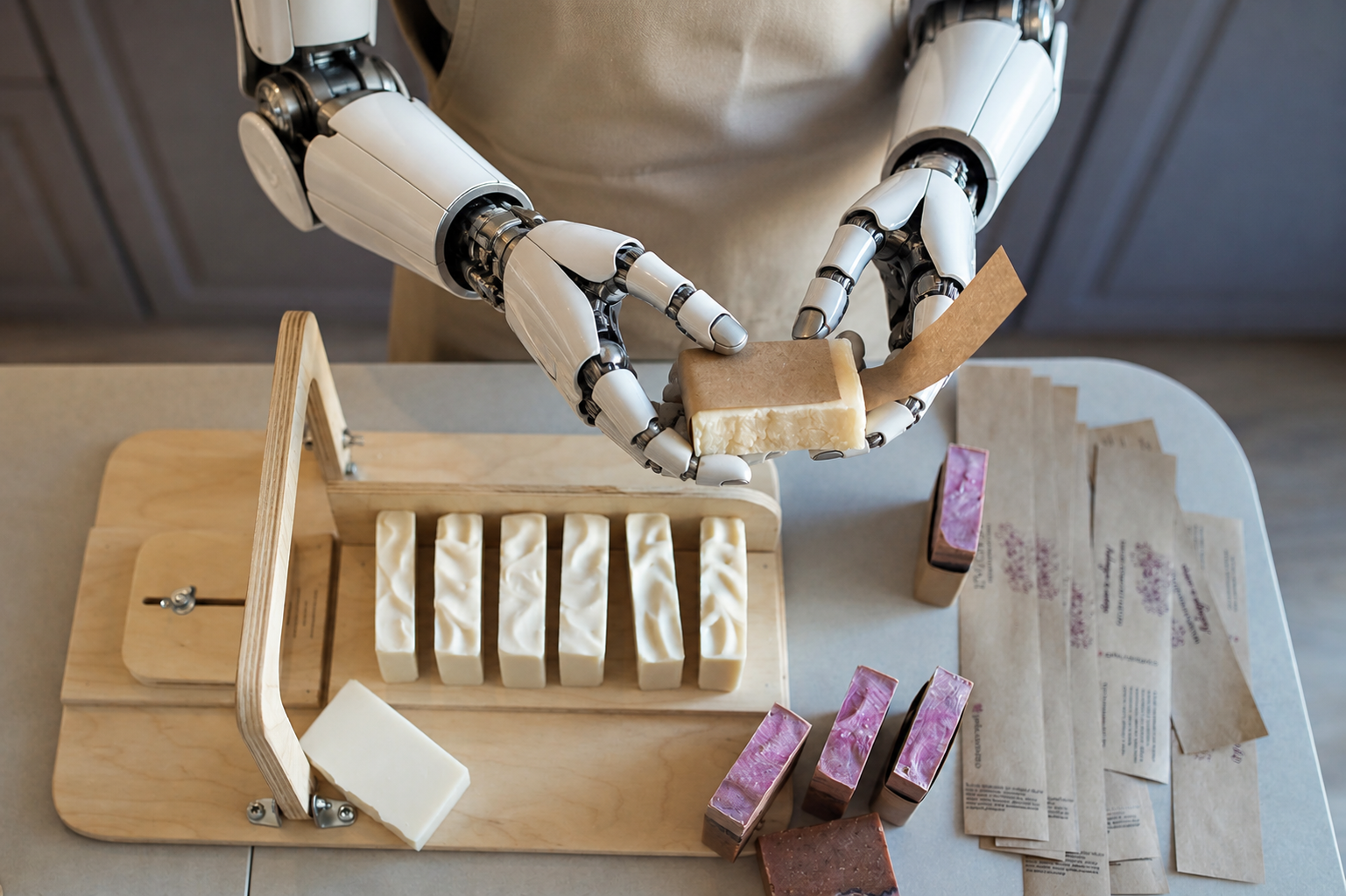
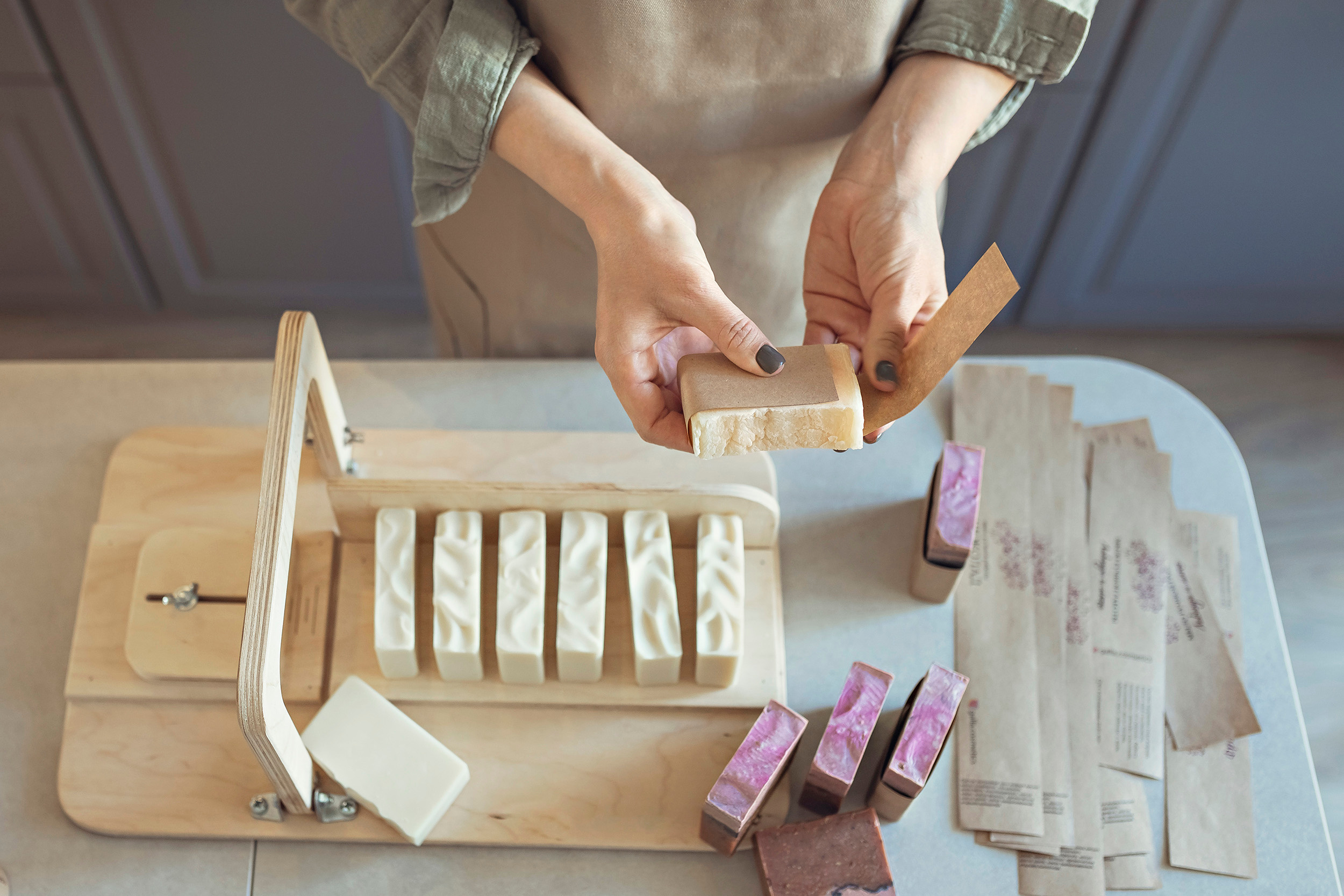
When consumers feel everything is synthetic, the handmade becomes premium.
Why This Connects Directly to Brand Authenticity
Authenticity has never meant perfection. It means alignment between what a brand says, what it does and what it truly values.
So, if a brand claims creativity, craftsmanship, originality or human connection — yet outsources its voice entirely to machines — consumers feel the disconnect, even if they can’t articulate it.
That friction matters.
Because in branding, people don’t always consciously process inconsistency. They sense it.
And once they sense something is off, trust erodes quietly.
The Strategic Question Isn’t AI vs No AI
The smarter question is:
Where should AI enhance the human experience, and where should humans remain visible?
That distinction will define winning brands.
- remove friction
- improve speed
- analyze data
- personalize experiences
- scale operations
- storytelling
- creative voice
- emotional nuance
- personalize experiences
- customer empathy
- founder vision
- cultural leadership
Consumers don’t mind technology. They mind emptiness.
The Brands That Win Next
The next era likely won’t belong to brands that reject AI entirely. It will belong to brands that use AI intelligently without erasing humanity.
- human-led creativity
- AI-assisted efficiency
- transparent practices
- visible craftsmanship
- clear values
- emotional truth
Because when everything can be generated, what cannot be generated becomes more valuable.
Taste. Judgment. Soul. Conviction. Story. Perspective. Passion. Truth.
In other words: authenticity.
Final Thought
“Human-crafted content” may be a temporary campaign line. But the deeper movement behind it is permanent:
People are craving what feels real again.
And in a world of infinite synthetic content, truth may become the ultimate premium brand asset.
Brian Fallers is Chief Marketing & Brand Officer at Truelio and a leading voice in brand authenticity, culture and experience design, trusted by some of the world’s most iconic and growth-stage companies. He is the Founder of VeridigmTM, a culture- and science-based brand, customer and business experience intelligence system, and the author of the upcoming book, The Authenticity Blueprint, exploring how truth, trust and identity drive meaningful growth.
Brian will also appear as a featured presenter at the upcoming 8th Marketing AI Pulse, where he’ll share how brands can use AI to enhance human creativity, preserve authenticity and build smarter, more meaningful brand experiences.